
How To Brush Your Teeth With Braces: A Practical Guide
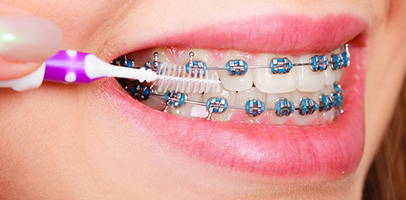
Braces create dozens of tiny spaces where food and plaque hide. If you don't clean thoroughly, you risk staining, white marks on your teeth, and decay around the brackets. The good news: once you get the technique down, it becomes second nature.
Here's how to keep your teeth clean during orthodontic treatment.
The Right Tools
Electric toothbrush. An electric toothbrush cleans more effectively than a manual one, especially around brackets. The Oral-B iO series or Philips Sonicare are both good choices. Use a soft or medium head.
Interdental brushes. These small, cone-shaped brushes fit between the brackets and under the wire where your toothbrush can't reach. They cost a few dollars and are the single most useful tool for braces hygiene.
Floss threaders or orthodontic floss. Regular floss doesn't work well with braces. A floss threader (a plastic needle) lets you thread floss under the wire. Orthodontic floss has a stiff end that threads through easily.
Water flosser. Not essential, but very helpful. A Waterpik or similar device blasts food debris out from between teeth and around brackets. It doesn't replace flossing, but it makes a noticeable difference.
Fluoride mouthwash. Rinse after brushing to strengthen enamel and protect against decay, especially in the hard-to-reach areas.
The Brushing Technique
Step 1: Remove elastics and anything removable
Take out any elastic bands, rubber bands, or removable appliances before brushing.
Step 2: Rinse first
Swish water around your mouth to loosen food particles. This makes brushing more effective.
Step 3: Brush at 45 degrees
Angle your toothbrush at 45 degrees to the gumline. Brush gently in small circular motions, spending a few seconds on each tooth. Make sure you clean:
- Above each bracket (where the bracket meets the gum)
- Below each bracket
- The chewing surfaces
- The inside surfaces of your teeth
Step 4: Use the interdental brush
Slide the interdental brush between each pair of brackets, under the wire. Move it back and forth a few times. Do this for every bracket, top and bottom.
Step 5: Floss
Thread floss under the wire using a floss threader. Gently floss between each pair of teeth, sliding the floss up and down along each tooth surface. This takes time but prevents cavities between teeth -- the most common problem with braces.
Step 6: Rinse with fluoride mouthwash
Swish for 30-60 seconds, then spit. Don't rinse with water afterwards.
How Often to Brush
Brush after every meal and before bed. That's three to four times a day. If you can't brush after eating (at school or work), at least rinse your mouth with water and chew sugar-free gum until you can brush properly.
Common Mistakes
Brushing too hard. This can damage your gums and wear down enamel. Gentle pressure and the right angle are more effective than scrubbing.
Skipping flossing. Brushing alone doesn't clean between teeth. If you're not flossing, you're missing 40% of your tooth surfaces.
Not replacing your toothbrush head. Braces wear out brush heads faster. Replace yours every 6-8 weeks, or sooner if the bristles are frayed.
Ignoring the gumline. Plaque accumulates where the tooth meets the gum. This is where gum disease starts. Angle your brush to clean this area.
Electric Toothbrush Tips for Braces
If you're using an electric toothbrush:
- Use an orthodontic-specific brush head if available (Oral-B makes one with shorter bristles that fit around brackets)
- Let the brush do the work - don't press hard
- Spend a few seconds on each tooth surface
- Use the built-in timer to ensure you're brushing for the full 2 minutes
What Happens If You Don't Brush Properly?
White spots (decalcification) around the brackets are the most common consequence. These are permanent marks where enamel has been damaged by plaque acids. They show up when the braces come off and are very difficult to reverse.
Gum disease (gingivitis) is also common during orthodontic treatment if hygiene is poor. Red, swollen, bleeding gums are a sign you need to improve your routine.
Have questions about braces care? Book a free consultation and ask at your next appointment.