
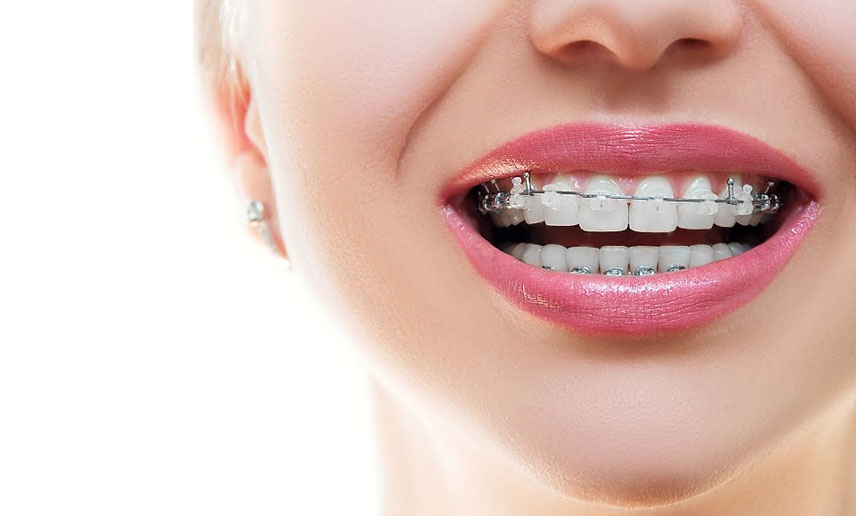
Thinking about braces and wondering what really happens to your teeth? You are not alone. Whether you are a parent planning treatment for your child or an adult finally ready to straighten your smile, understanding how braces work can calm the nerves and make the journey feel manageable. Here is a clear, step-by-step guide to what braces do, how your teeth move, what you will feel, and what to expect along the way.
How braces move teeth – the simple science
Your teeth sit in bone, supported by a ligament called the periodontal ligament. Braces apply gentle, consistent pressure that guides each tooth into a new position. On the pressure side, bone is resorbed, which makes space for the tooth to move. On the tension side, new bone forms to stabilise the tooth in its new spot. This process is called bone remodelling. It is safe, controlled, and supervised by a Specialist Orthodontist.
Braces are a system, not just brackets. Each component has a job:
- Brackets – small attachments bonded to teeth that hold the wire.
- Archwires – the engine that provides the precise forces to move teeth.
- Elastics or clips – which help open or close spaces and align the bite.
- Auxiliaries – such as power chains or springs, for fine control when needed.
In short, what do braces do to the teeth? They guide teeth through bone using light forces so the roots and crowns move together into healthy, stable alignment.
What to expect week by week
Everyone’s plan is unique, but most people recognise these stages.
Week 0, fitting day:
- We clean and dry your teeth, place brackets with a safe adhesive, and seat the first light wire.
- You will feel pressure, not pain.
- Lips and cheeks may feel a bit rubbed. Orthodontic wax helps immediately.
Week 1:
- Teeth can feel tender to bite on for 2 to 3 days as the ligament responds.
- Soft foods and over-the-counter pain relief taken as directed can help.
- Mild rubbing spots are common. Wax and warm saltwater rinses soothe the area.
Weeks 2 to 4:
- Tenderness settles.
- You start noticing small changes, such as a more even front tooth line or a gap appearing or closing. This is normal and expected.
Months 2 to 6:
- Stronger wires help level and align the arches.
- Rotations and crowding reduce.
- Your bite starts to feel different as teeth line up.
Months 6 to 12:
- Bite correction becomes a focus. You may wear elastics to fine tune how top and bottom teeth meet.
- Spaces close and midlines balance.
Final months:
- Detailing and finishing. Small bends in the wire or short periods with elastics help perfect the bite and smile arc.
- We plan for deband and retainers.
Retention:
- Braces come off, then retainers hold your hard-earned result while bone fully stabilises. This is essential for long-term success.
The most painful part of braces
Good news – most people describe braces as uncomfortable rather than truly painful. The peak tenderness usually occurs:
- In the first 24 to 72 hours after the initial wire is placed.
- For a day or two after adjustment appointments.
- When starting elastics or a new wire.
Why it happens: the ligament around the tooth responds to the new forces, creating a temporary, dull ache.
What helps:
- Soft foods – think yoghurt, pasta, soups, scrambled eggs.
- Over-the-counter pain relief as directed by your GP or pharmacist.
- Orthodontic wax on any areas that rub.
- A warm saltwater rinse to settle sore spots.
Most people find each adjustment easier than the first week. If pain feels sharp or unusual, contact your orthodontic team for advice.
Common myths, debunked
Myth: braces damage roots.
Reality: modern forces are gentle and planned to protect root health. Your Specialist Orthodontist monitors progress with clinical checks and imaging when appropriate.
Myth: teeth move faster if the wire is tighter.
Reality: too much force can slow movement and increase discomfort. Light, continuous pressure is ideal.
Myth: adults cannot move teeth like kids.
Reality: healthy adult teeth move predictably. Treatment may take a little longer in some cases, but outcomes can be excellent.
Myth: once braces come off, teeth stay put without retainers.
Reality: all teeth have a natural tendency to drift. Retainers protect your result.
What you should expect during treatment
Clear planning:
At your consultation we assess your smile, bite, and oral health, then discuss options like metal, ceramic or lingual braces, and Invisalign®. You will receive an outline of timeframes, costs, and payment plan options.
Regular appointments:
Visits are usually every 6 to 10 weeks, sometimes paired with remote monitoring where appropriate. Small changes at each visit keep you moving steadily toward the goal.
Day-to-day life:
You can talk, study, and work normally. Choose softer options early on, then return to most foods, avoiding sticky or very hard items. Oral hygiene is crucial. Brush after meals and use floss aids or a water flosser.
Lifestyle:
Sports are fine with a proper mouthguard. School and exams can be supported with flexible scheduling.
Emergencies:
Poking wire – try to tuck it with a clean pencil eraser or apply wax. Call for a quick fix. Loose bracket – avoid hard or sticky foods and book a repair.
Braces, Invisalign®, and choosing what suits you
Braces and Invisalign® use the same biological principles to move teeth. Braces are fixed, which can be helpful for complex tooth movements and removes the need to remember wear time. Invisalign® aligners are removable, discreet, and convenient for eating and brushing. Many adults and teens appreciate the flexibility.
Not sure which suits you? Our Specialist Orthodontist will guide you with photos, scans, and a plan tailored to your goals, lifestyle, and budget.
Local care with a gentle approach
If you are comparing options in Western Sydney, you can meet our Specialist Orthodontist for a free consultation, in person or virtually. Our team at Evolution Orthodontics offers flexible appointments, easy parking, and interest-free payment plans tailored at consultation.
Quick answers to your top questions
What do braces do to the teeth?
They use gentle, continuous forces to guide teeth through bone into healthier alignment and a balanced bite.
What is the most painful part of braces?
The first few days after fitting and the day or two after adjustments.
What should you expect during treatment?
A planned series of small changes, regular visits, good home care, and retainers at the end to hold your result.